Nurture the living.
Care for the wounded.
Honor the fallen.
This is the core mission statement and motto of the U.S. Army Chaplain Corps, which was established by the Continental Congress on July 29, 1775. On this legacy, chaplains of all types continue to provide spiritual guidance, pastoral care, and moral leadership. They also care for those dying and their families. Chaplains do well to build on this legacy. Your financial support equips, sustains, and advocates for chaplains serving in the most demanding places on earth.
The Shepherd's Hook
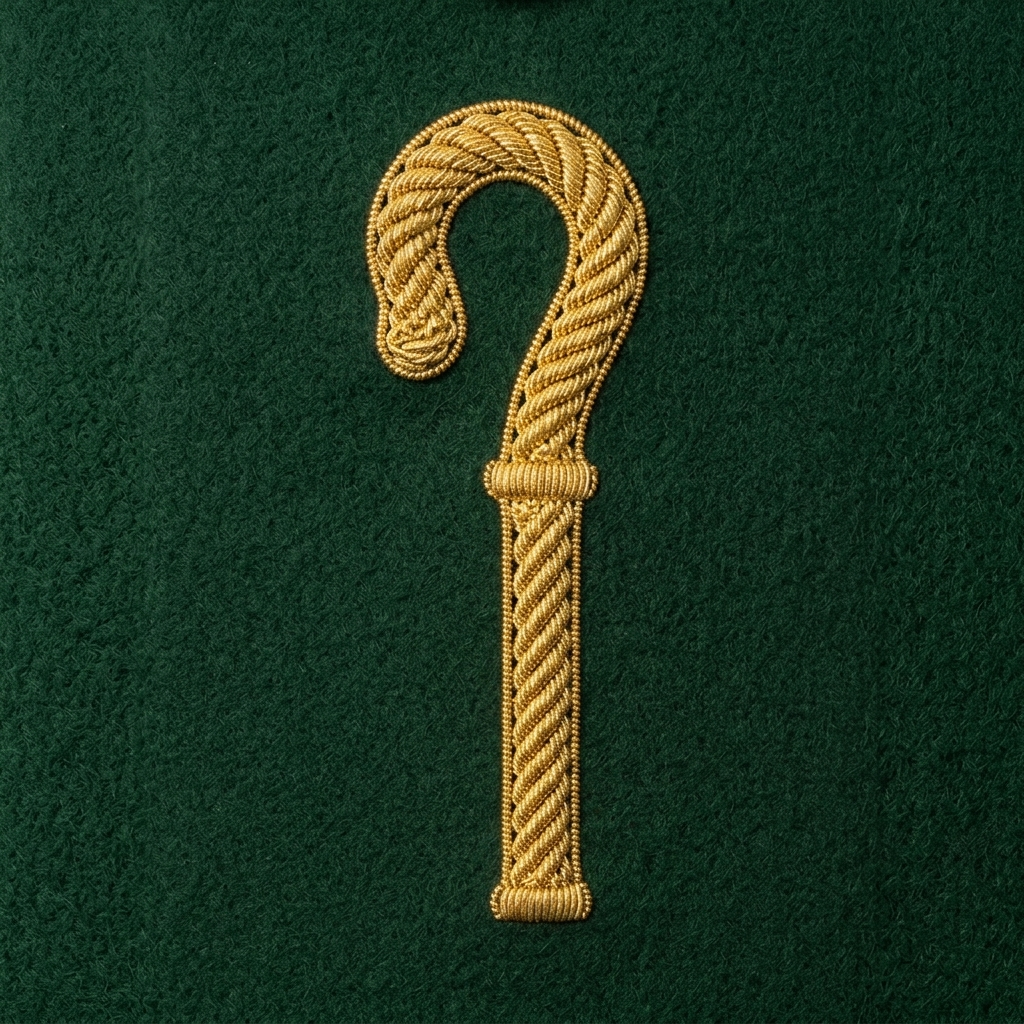
This symbol on the Marsh Institute logo was first worn in 1880 by Army chaplains — a reminder of the chaplain's timeless role in caring for others.
Honor Roll of Giving
The Marsh Institute for Chaplains' Honor Roll recognizes individuals, families, churches, foundations, and organizations whose generosity supports the development and continued operation of the MIC and its Chaplain Resource Network. Recognition is based on cumulative giving. Donors may be listed by name, recognized as anonymous, or omitted according to their wishes.
Honor a Chaplain's Memory
Honor the memory of a chaplain through your financial support as we equip, support, and advocate for chaplains in diverse and global settings.
For Benefactors and above, we will post your chaplain's story on the MIC website — preserving their legacy honors their compassion, dedication, and ministry. Their stories will also inspire future chaplains for generations.
Leave an Enduring Legacy
Your financial investment makes these initiatives possible — providing specialized education and training worldwide and leaving an enduring legacy of your support for people and ministry.
Single giving or monthly partnership — both sustain these efforts year-round.
Give NowDonors may be listed by name, recognized as anonymous, or omitted according to their wishes. Contact [email protected] for more information.
Chaplain Albert Dudley Prickett, U.S. Navy
Formation for Ministry & Naval Entry
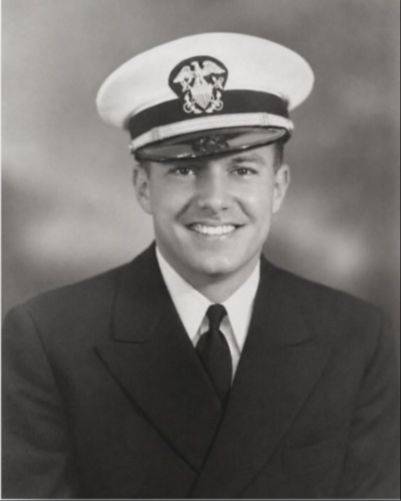
Albert Dudley Prickett was born November 28, 1917, in Gatlinburg, Tennessee. He earned a Bachelor of Arts from Howard College in 1939 and completed a Master of Theology at Southern Baptist Theological Seminary in Louisville, Kentucky, in 1942. He was ordained by East Gadsden Baptist Church on September 1, 1940.
Prickett entered the Navy Chaplain Corps during World War II, commissioned a lieutenant (junior grade) in the U.S. Naval Reserve on August 9, 1943. His wartime service included duty aboard USS President Adams; he transferred to the Regular Navy on August 2, 1946.
His postwar assignments spanned Cory Field at Pensacola, USS Albany, Naval Operating Base Saipan, and Camp Pendleton — placing him across ships, shore installations, aviation commands, overseas bases, and Marine Corps units.
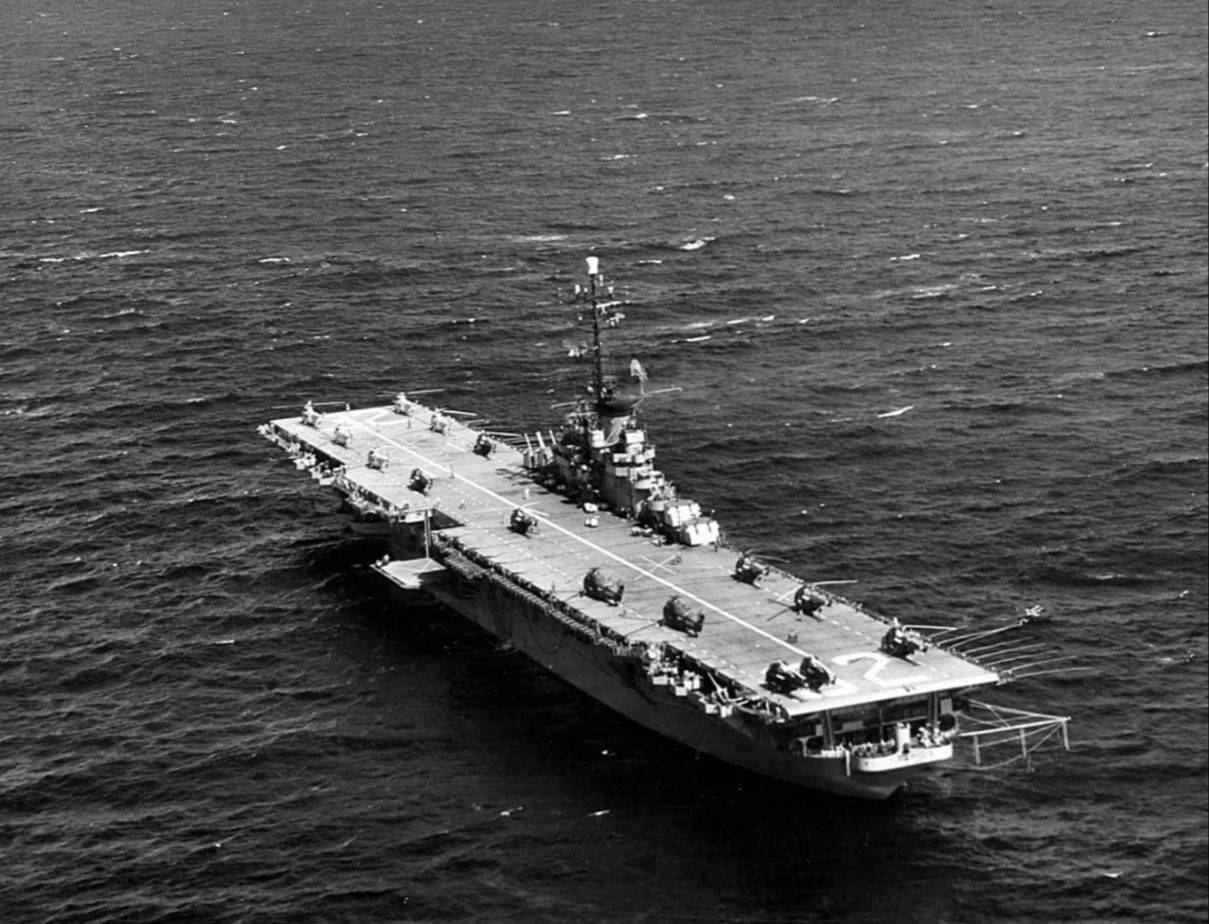
"The U.S. Navy aircraft carrier USS Leyte (CVS-32) off Vieques Island, Puerto Rico, while embarking U.S. Marines prior to the "invasion" of the Panama Canal Zone, during amphibious exercises in 1957. She has 13 Sikorsky HRS and two Sikorsky HUS1 Seahorse helicopters of Marine Air Group 26 on her flight deck. The photo was released by the U.S. Department of Defense on 2 July 1957."
Source: U.S. Navy photo NH 97298
Korea: Ministry at the Front
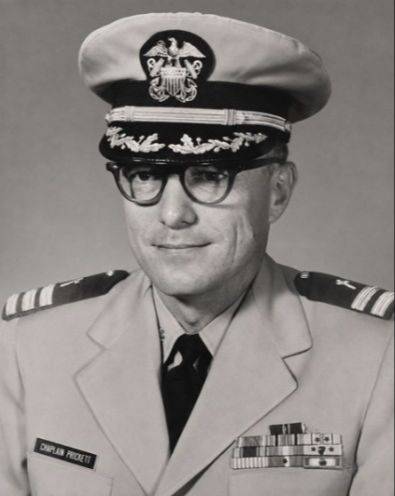
By May 1952, Lieutenant Commander Prickett served with the 1st Marine Division in Korea. He sought experience ministering with Marines directly engaged with the enemy, and was reassigned to the 7th Marines in September 1952.
During heavy fighting in October 1952, including the Battle of the Hook, Prickett ministered at a forward aid station, cared for evacuees, and visited wounded Marines under mortar and artillery fire. During one engagement, he helped direct armored personnel carriers carrying wounded men through areas under fire to safety.
For his service in Korea, Prickett received the Bronze Star Medal with Combat "V" — documentary weight to what his record already shows: chaplaincy as a ministry of presence.
"He went where Marines were serving, remained near them in danger, and cared for the wounded when pastoral ministry demanded physical courage as well as spiritual steadiness."
— MIC Documentation, Korean War Service Record
Compassion Beyond the Battlefield
Prickett's ministry also reached Korean civilians. The official Navy Chaplain Corps history records his involvement with the Nam-Buk Orphanage in Seoul — including delivery of clothing for Korean children. Other photographs show him conducting religious ministry with Marines, including instruction connected with baptism in the Imjin River.
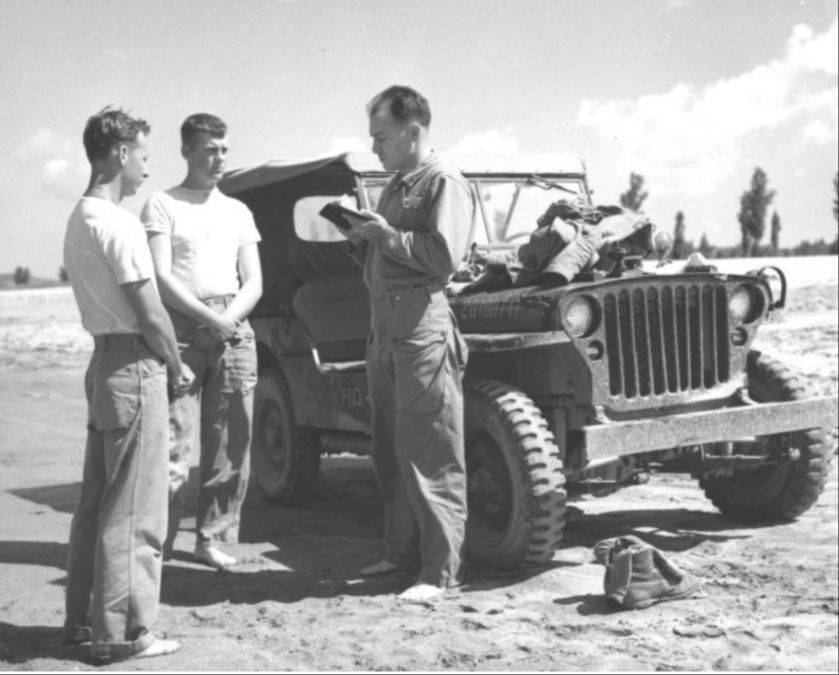
"Receiving instructions from Chaplain A. D. Prickett, USN, prior to being baptized in the Imjin River, Korea. Left to right: Marine CPL Edward F. Quackenbush, Franklin Square, NY, and Marine PFC Thomas K. McElroy, Lansing, MI. All are members of the First Marine Division. Chaplain Prickett is the Assistant Division Chaplain."
Source: thechaplainkit.com — Note: official Navy chronology places Prickett with the 1st Marine Division shortly before the May 19, 1952 roster; 1952 is consistent with documented service.
Continued Service Across the Navy-Marine Corps Team
Following Korea, Prickett served at the Navy Mine Craft Base in Charleston, South Carolina; the U.S. Coast Guard Receiving Center at Cape May, New Jersey; and aboard USS Leyte (CVA-32), homeported at Quonset Point, Rhode Island. His subsequent assignments included the Naval Air Technical Training Center, part of Naval Air Station Jacksonville, Florida; USS Taconic (AGC-17), homeported at Norfolk, Virginia; and the U.S. Naval Hospital in Jacksonville. Christianity Today identified him as serving at the hospital on May 24, 1963.
On September 15, 1965, the U.S. Senate confirmed Albert D. Prickett for promotion to commander. His later assignments took him to Naval Air Station Trinidad in Port-of-Spain, where he served under Commander, South Atlantic Force; Naval Weapons Station Yorktown, Virginia; and Da Nang, Vietnam, with the 1st Marine Division. He concluded his naval chaplaincy at Marine Corps Recruit Depot Parris Island, South Carolina, retiring from active duty in 1972.
These records present a broad picture of chaplaincy: worship and sacramental ministry, care for wounded service members, presence with units in combat, and practical compassion toward civilians affected by war. Prickett’s ministry crossed the boundaries between sanctuary, aid station, battlefield, ship, hospital, and community.
A Legacy for Chaplaincy Today
Chaplain Albert Dudley Prickett's documented service offers a concrete model of professional chaplaincy. His ministry joined theological preparation with military competence; pastoral care with physical presence; care for service members with compassion for civilians; and religious ministry with willingness to go where people faced the greatest need.
For the Marsh Institute for Chaplains, his story is worth preserving because it shows chaplaincy at its most demanding — a chaplain present with people before, during, and after moments of crisis. Prickett's legacy reminds current and future chaplains that excellence is measured not only by what a chaplain teaches or preaches, but by where the chaplain is willing to stand and how faithfully that ministry is carried out.
Where Your Gift Goes
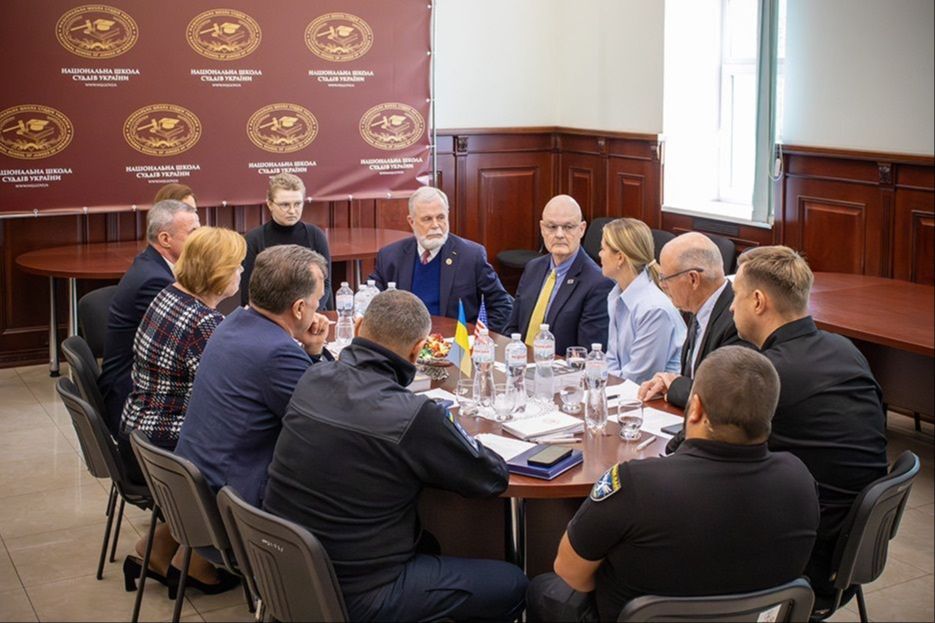
Empowering Chaplains Worldwide
Because of donors like you, the Marsh Institute engaged National Police chaplains, Eastern European Youth Leadership, and church ministers, providing trauma care resources, spiritual care tools, and practical training—free of charge. These volunteer chaplains serve families, police, and frontline workers in war-torn Ukraine.
As communities confront ongoing violence, these materials help strengthen resilience, ethical leadership, and hope among those carrying the weight of a nation in crisis. Additionally, the National School of Judges recently approached us to assist in developing a chaplaincy ministry for all judges and staff.
Certificate In Chaplaincy
The Marsh Institute launched a Certificate in Chaplain Ministry Program and assembled over twenty-six leaders from seminaries, universities, endorsing bodies, and chaplain organizations.
This certificate will support numerous educational and training needs from the beginner to the professional chaplain. Our Chaplain Center of Excellence for Chaplain Curricula and Resources will transform passion into profession for chaplains everywhere. Chaplains globally are seeking these resources now.
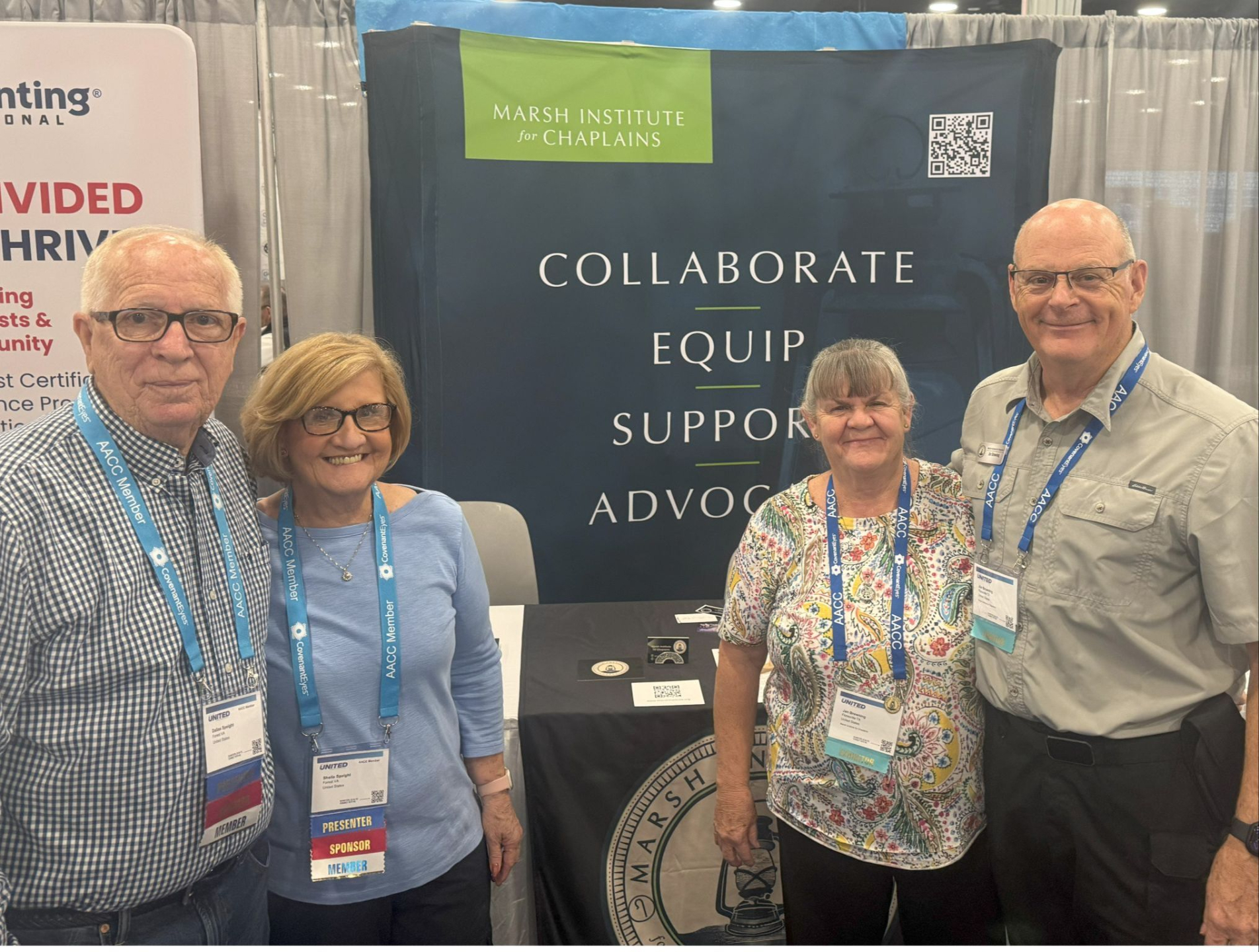
Global Translation
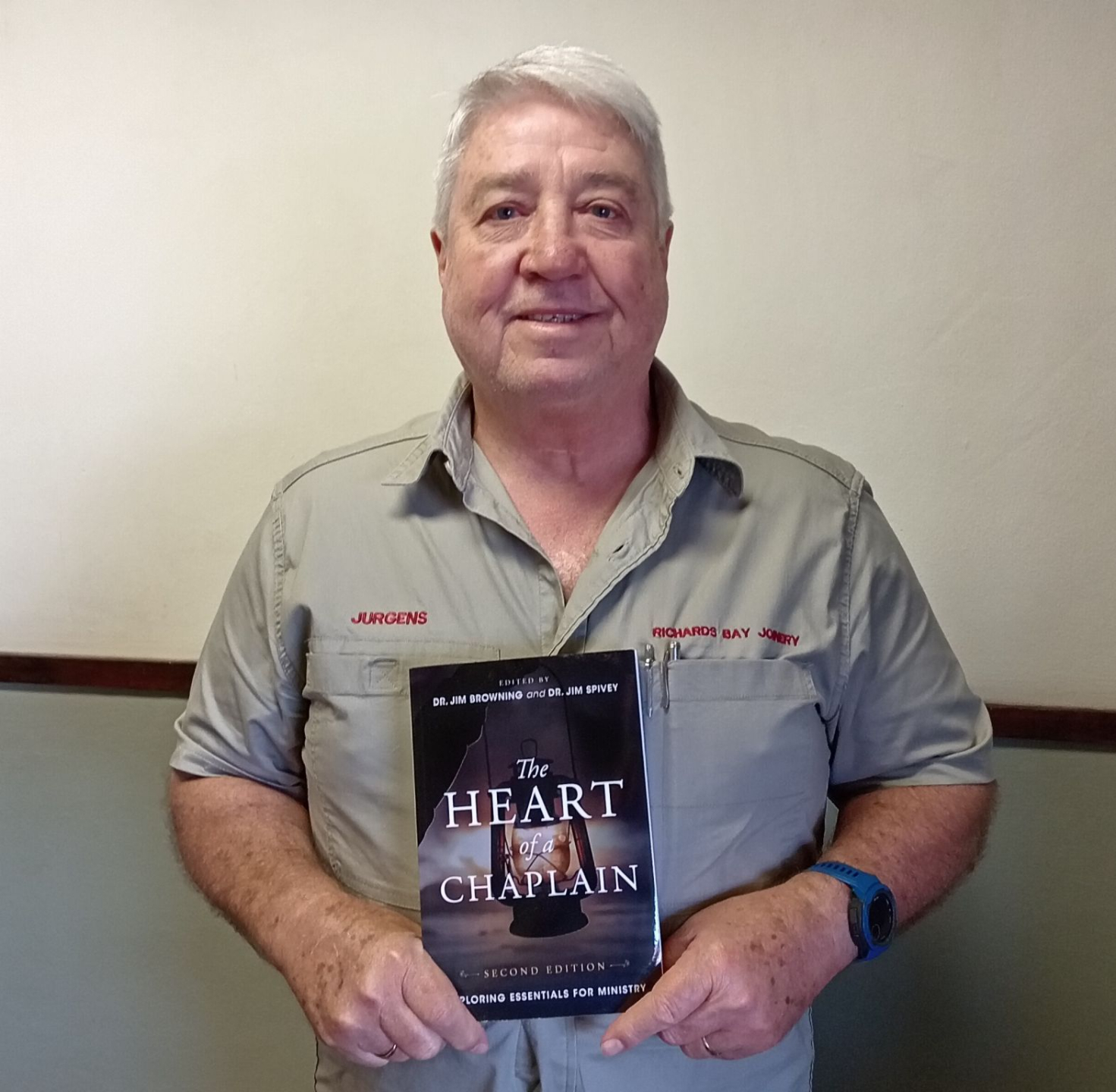
Your generosity places The Heart of a Chaplain in the hands of chaplains and leaders worldwide. Spanish translation is nearing completion, and the Ukrainian Edition—more complex and costly—is underway. Your support accelerates this effort, allowing chaplains in under-resourced regions to access resources at no cost.
Demand for The Heart of a Chaplain, 2nd Edition continues to exceed projections. Your gifts help us print another 1,000 copies and keep costs low so students, volunteers, and chaplains can access resources affordably. We have added training aids and are currently working on an audio version. Multiple seminaries and clinical trainers now use this book as their primary chaplain resource.
Webinars & Digital Training
Because of your donor support, thousands have accessed free webinars such as “Ministering to Those with Dementia” and “Walking with the Hurting Following a Death by Suicide.” Our next webinar will equip caregivers in “Ministering to Those Suffering with Reproductive Grief.”
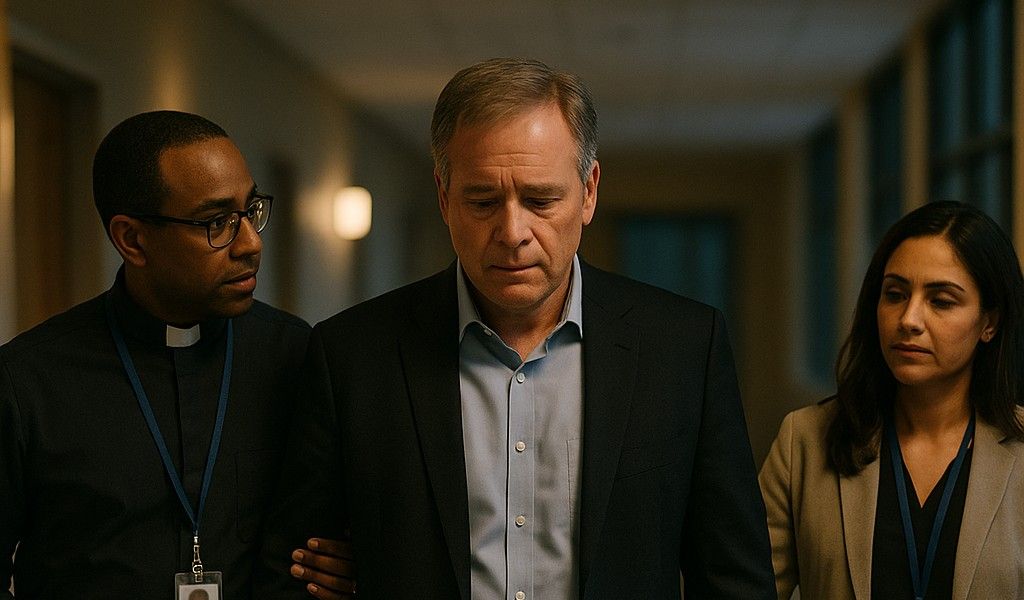
Without your partnership, critical ministry initiatives falter, translation work slows, and global training distribution cannot meet demand. Chaplains like Bill are ready to minister to the forgotten, the broken, and the unreachable.
Ready to equip the next generation of chaplains?
Scan the QR code or give online. Every gift — at every level — adds to this enduring legacy.